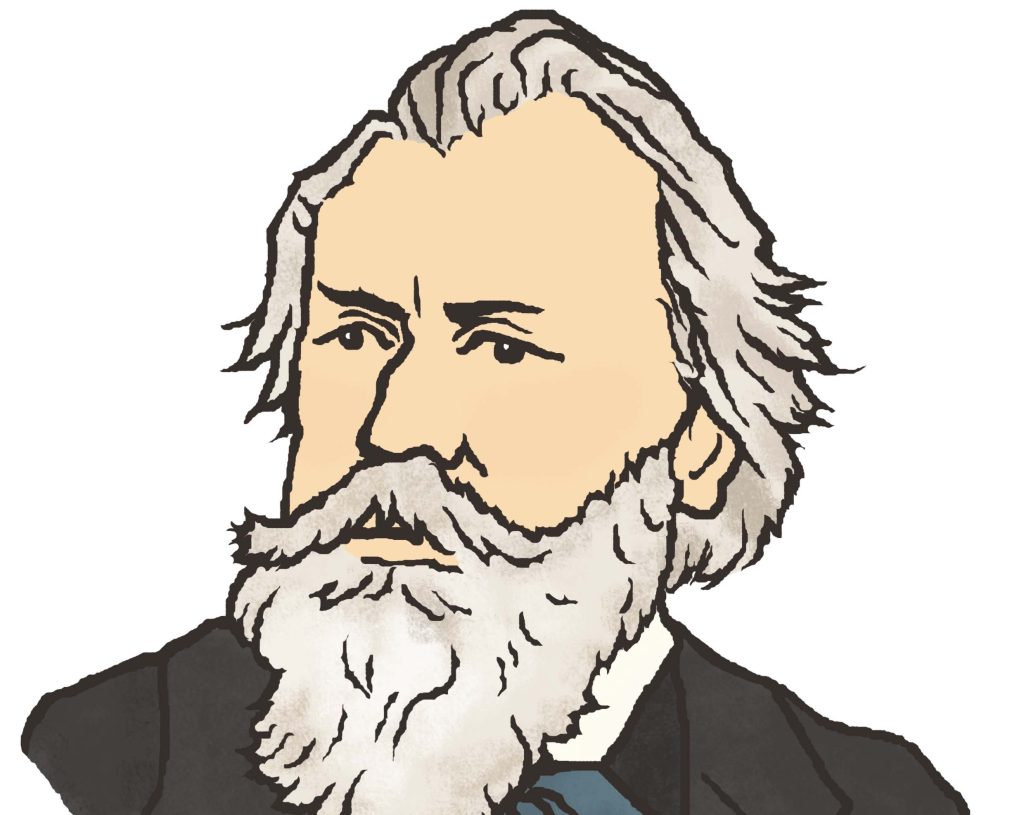
Brahms – Hungarian Dance No. 5
Johannes Brahms' Hungarian Dance No. 5 (Ungarische Tänze Nr.5) is one of the most iconic and beloved works in classical music.
Its passionate rhythms and melancholic yet lively melody vividly evoke the spirit of Eastern Europe, captivating listeners around the world.
Overview of the Piece
Hungarian Dance No. 5 is part of Brahms' Hungarian Dances, a collection of 21 pieces published in 1869.
Inspired by Hungarian folk melodies and the style of gypsy music, Brahms arranged and composed these dances, originally writing many for piano four hands.
Among them, No. 5 stands out as the most popular and widely recognized.
Although the original version was for piano duet, it has been arranged for full orchestra, solo piano, violin, and numerous other combinations, making it one of Brahms’ most versatile and frequently performed pieces.
Musical Characteristics
The piece follows the traditional form of the csárdás, a Hungarian folk dance characterized by a slow introduction followed by a fast, energetic section.
It opens with a soulful, expressive melody, soon accelerating into a vigorous and dynamic passage.
The piece's distinctive charm lies in its shifting tempos, playful rhythmic accents, and the lively interplay between lyrical melancholy and fiery exuberance.
Each repetition of the theme introduces slight variations in nuance and intensity, keeping the energy fresh and engaging throughout.
Background and Reception
Brahms’ fascination with Hungarian music began early in his career, particularly during his travels with Hungarian violinist Eduard Reményi.
These experiences left a lasting impression on Brahms and directly inspired the creation of the Hungarian Dances.
Hungarian Dance No. 5 quickly became a favorite after its publication, and it remains widely performed today.
It is often featured as an encore piece at concerts and has been adapted into countless contexts, including
- Films and animations
- Television shows and commercials
- Educational materials for music students
Notable interpretations include violin arrangements by Fritz Kreisler and orchestral recordings conducted by Eugene Ormandy with the Philadelphia Orchestra.
Conclusion
Brahms’ Hungarian Dance No. 5 is a brilliant fusion of passion, elegance, and folk vitality.
Its infectious rhythm and memorable melody continue to energize audiences around the world, transcending generations and musical boundaries.
If you haven’t experienced it yet, this lively and soulful masterpiece is a perfect place to discover Brahms' vibrant connection to the spirit of folk music.