A Chronological Guide to Their Musical Evolution and Legacy
The Beatles were not merely a successful rock band; they fundamentally transformed popular music.
From early Merseybeat love songs to experimental studio masterpieces and spiritually resonant farewell tracks, their catalog documents the evolution of modern pop and rock.
This article presents 15 essential Beatles songs, carefully selected and explained in chronological order by release month, allowing readers to follow the band’s artistic growth step by step.
Early Beatles Classics: The Birth of Beatlemania (1963)
Please Please Me (January 1963)
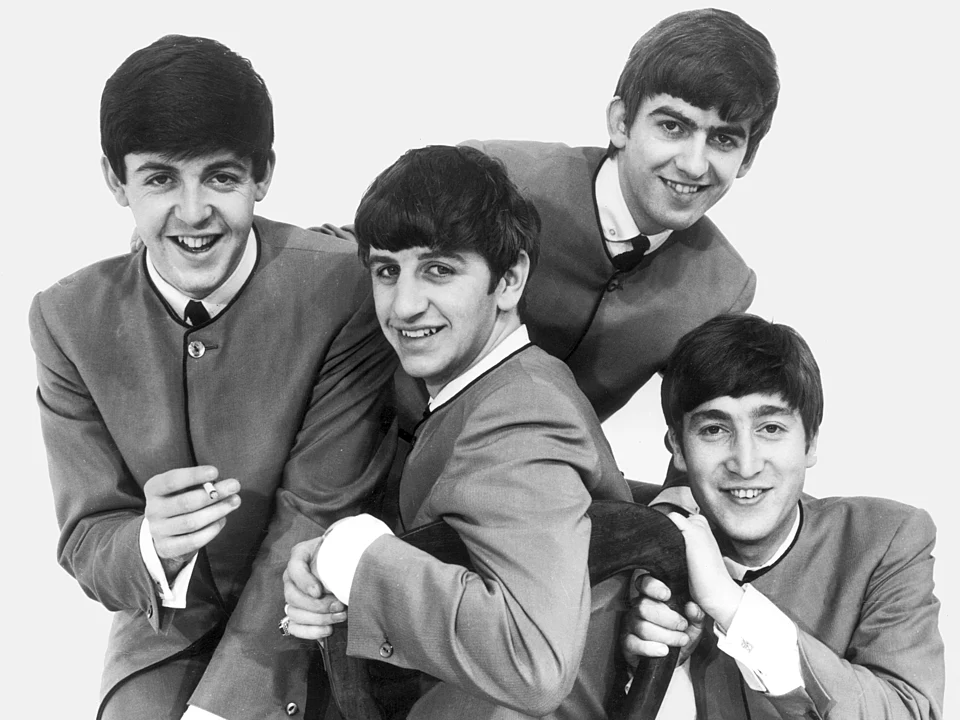
This song marked the true beginning of Beatlemania. Originally written as a slower blues-inspired number, it was reworked into an energetic pop-rock track at producer George Martin’s suggestion.
Its urgency, tight harmonies, and youthful confidence announced the arrival of a new force in British music.
From Me to You (April 1963)
A direct and affectionate message to fans, this song strengthened the bond between the Beatles and their audience.
The harmonica-driven melody and call-and-response vocals helped define the band’s early sonic identity.
She Loves You (August 1963)
The iconic “Yeah, Yeah, Yeah” refrain became a cultural phenomenon.
Unusually written from a third-person perspective, the song demonstrated a growing lyrical sophistication and became one of the best-selling singles in UK history.
I Want to Hold Your Hand (November 1963)
The song that conquered America.
Its explosive opening, emotional immediacy, and powerful rhythm section triggered the British Invasion and established the Beatles as global superstars.
The Transitional Period: Films, Touring, and Growth (1964–1965)
A Hard Day’s Night (July 1964)
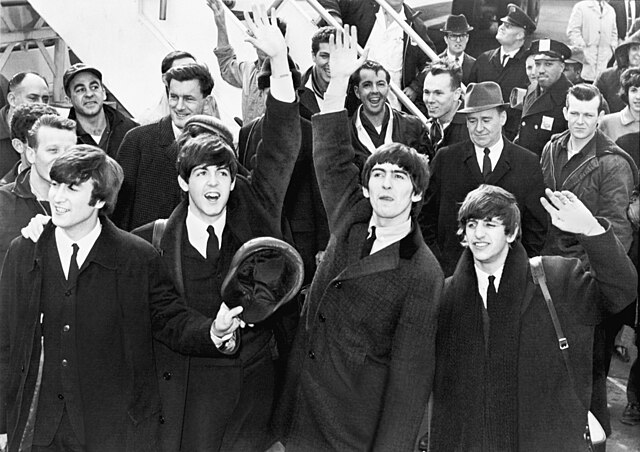
Written for the band’s first feature film, this track captures the relentless pace of their touring life.
Its famous opening chord remains one of the most analyzed sounds in rock history.
Eight Days a Week (December 1964)
Notable for its fade-in introduction, a rare technique at the time.
The song signals the Beatles’ growing interest in studio experimentation while retaining strong pop appeal.
Help! (July 1965)
Despite its upbeat tempo, the lyrics reveal John Lennon’s personal anxiety and emotional exhaustion.
This song represents a turning point toward more honest, introspective songwriting.
Yesterday (September 1965)
Performed by Paul McCartney with a string quartet, this ballad broke every rule of what a rock band was expected to do.
Its timeless theme of loss and regret has made it one of the most covered songs in music history.
Artistic Expansion and Studio Innovation (1966–1967)
Yellow Submarine (August 1966)
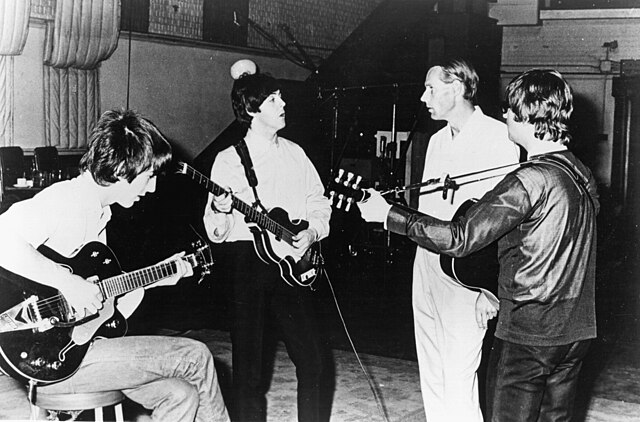
Sung by Ringo Starr, this playful and communal song showcases the Beatles’ sense of humor.
Its simplicity and sing-along quality made it beloved by listeners of all ages.
Strawberry Fields Forever (February 1967)
A deeply personal John Lennon composition inspired by childhood memories.
Its groundbreaking production techniques—splicing different takes and altering tape speeds—redefined what was possible in studio recording.
Penny Lane (February 1967)
Released as a double A-side with Strawberry Fields Forever, this Paul McCartney song paints vivid scenes of everyday life in Liverpool.
Bright orchestration and melodic clarity contrast sharply with Lennon’s introspective counterpart.
All You Need Is Love (July 1967)
Premiered during the first global satellite broadcast, this song became an international anthem of peace and unity.
Its simple message resonated strongly during the height of the 1960s counterculture.
Hello, Goodbye (November 1967)
Built around contrasting ideas and opposites, this polished pop song demonstrated that the Beatles could remain commercially dominant even during their most experimental phase.
The Final Chapter: Emotional Depth and Farewell (1968–1970)
Hey Jude (August 1968)
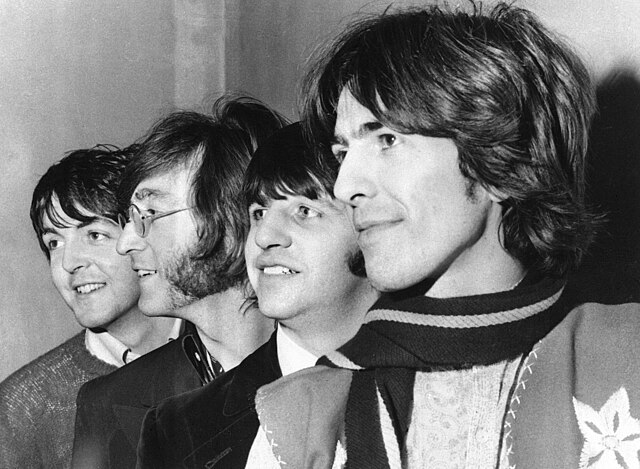
At over seven minutes long, this epic single defied radio conventions.
The extended sing-along coda transformed the song into a collective emotional experience and remains one of the Beatles’ most enduring achievements.
Let It Be (March 1970)
Released near the end of the band’s career, this piano-led ballad carries a message of acceptance and resilience.
Its gospel-influenced arrangement gives the song a sense of spiritual closure, serving as a fitting farewell.
Conclusion: The Beatles’ Greatest Songs as a Musical Chronicle
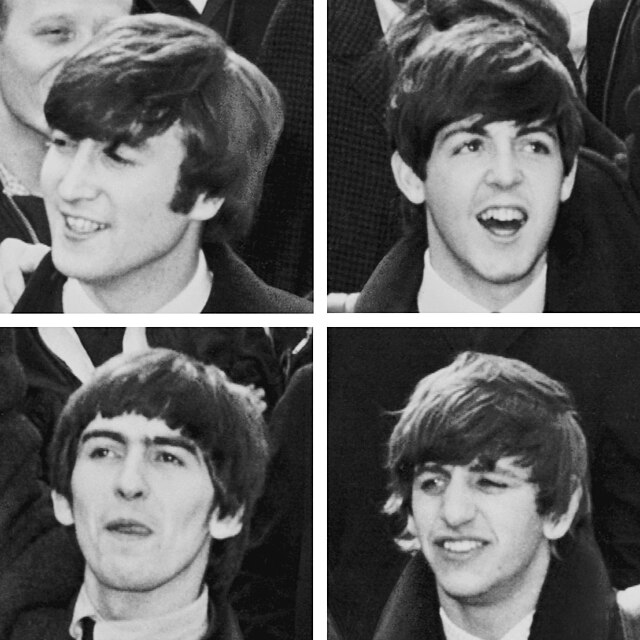
When heard in chronological order, these 15 songs reveal the Beatles’ extraordinary transformation:
- from energetic pop newcomers
- to studio innovators
- to artists who reshaped modern music itself
The enduring power of the Beatles lies not only in individual hits, but in their constant evolution.
Their greatest songs remain timeless because they document a creative journey that continues to inspire musicians and listeners across generations.