admin


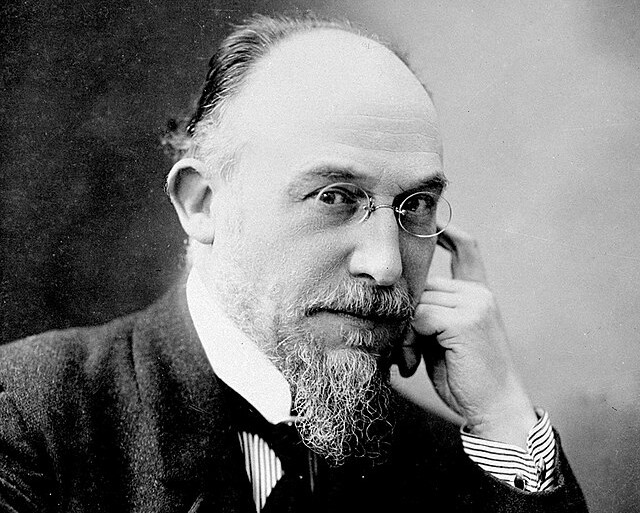
2025/6/2 Erik Satie, Piano
Erik Satie – Gymnopédie No.1 Erik Satie’s Gymnopédie No.1 is a piano piece that transcends the boundaries of classical music.Often regarded as a forerunner of ambient and minimalist music, it has an almost magical ability to draw listeners into a space of quiet introspection.Though sparse in notes, its emotional impact is profound—an effect created not just by what is played, but by what is left unspoken between the sounds. Title and Historical Context The word “Gymnopédie” refers to an ancient Greek festival involving slow dances performed by young men, often interpreted as ritualistic or ceremonial.Satie composed Gymnopédie No.1 in 1888 ...

2025/6/1 Franz Liszt, Piano
Franz Liszt – La Campanella Franz Liszt’s La Campanella is widely known as one of the most iconic and technically demanding works in the classical piano repertoire.But beyond its reputation as a “difficult piece,” it is a brilliant showcase of Liszt’s musical imagination, theatrical flair, and his desire to elevate the piano to orchestral heights.It is both a dazzling spectacle and a poetic soundscape. Inspired by Paganini’s Magic La Campanella is based on the third movement of Niccolò Paganini’s Violin Concerto No. 2, which features a bell-like motif that gave the piece its name—“La Campanella,” meaning “the little bell” in ...
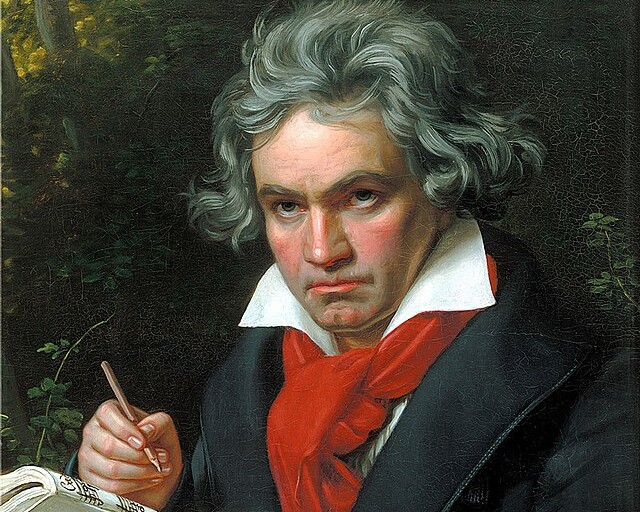
Beethoven – Für Elise Among the vast body of music Beethoven left behind, Für Elise is arguably the most universally recognized.Even those unfamiliar with classical music have likely heard its iconic opening notes at some point—on the radio, in a commercial, from a toy piano, or played hesitantly by a young student.It is a piece that has quietly but surely taken root in the everyday soundscape of the world. The Mystery Behind “Elise” Believed to have been composed in 1810, Für Elise was not discovered until 1867—over 40 years after Beethoven’s death.The original manuscript bore the dedication “Für Elise,” but ...
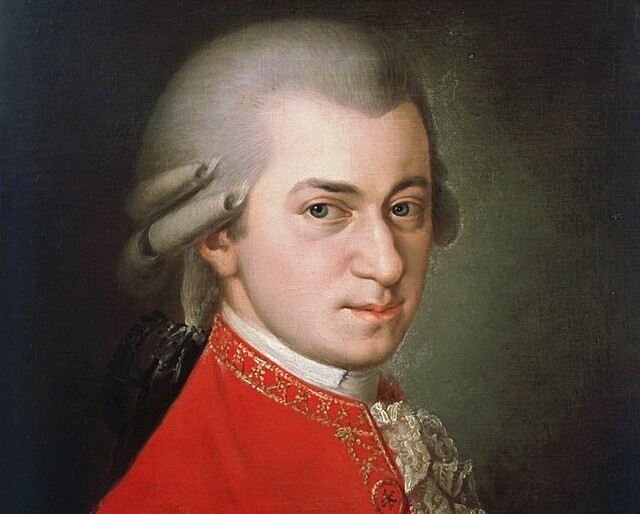
Mozart – Piano Sonata No. 16 in C Major Known affectionately as the “Sonata facile” (easy sonata), Mozart’s Piano Sonata No. 16 in C Major, K.545 has long been cherished by students and professionals alike.Though originally described by the composer himself as “for beginners,” this piece is far more than a technical exercise—it is a concentrated example of Mozart’s refined musical language: transparent, graceful, and subtly playful. Background and Significance Composed on June 26, 1788, during a period of personal and financial difficulty for Mozart, this sonata wasn’t published in his lifetime.Still, it went on to become one of the ...

2025/5/29 George Winston, Piano
George Winston – Longing/Love When one hears the name George Winston, images of nature often come to mind—falling leaves, quiet snowfall, or the warmth of a setting sun.His music doesn’t fit neatly into classical, jazz, or even New Age categories. Instead, it paints soundscapes—delicate impressions of natural and emotional states.Among his most introspective pieces is “Longing/Love,” a track that gently evokes the invisible scenery of the heart. Music in Harmony with Nature “Longing/Love” appears on his 1994 album Forest, a collection of pieces inspired by the quiet strength and serenity of trees, light, wind, and open air.Amid the forest-themed tracks, ...

2025/5/29 Piano, Richard Clayderman
Richard Clayderman – Ballade pour Adeline In 1977, a young French pianist named Richard Clayderman rose to international fame with a single piece: Ballade pour Adeline.With its flowing melody and gentle harmonies, the piece established a new musical category that was neither strictly classical nor pop—what would become known as “easy listening piano.” Background and Origins The composer, Paul de Senneville, wrote the piece to celebrate the birth of his daughter, Adeline.He envisioned a soft, emotional melody filled with tenderness and a touch of melancholy.When it came time to choose a performer, the producers selected an unknown pianist—Richard Clayderman—whose delicate ...
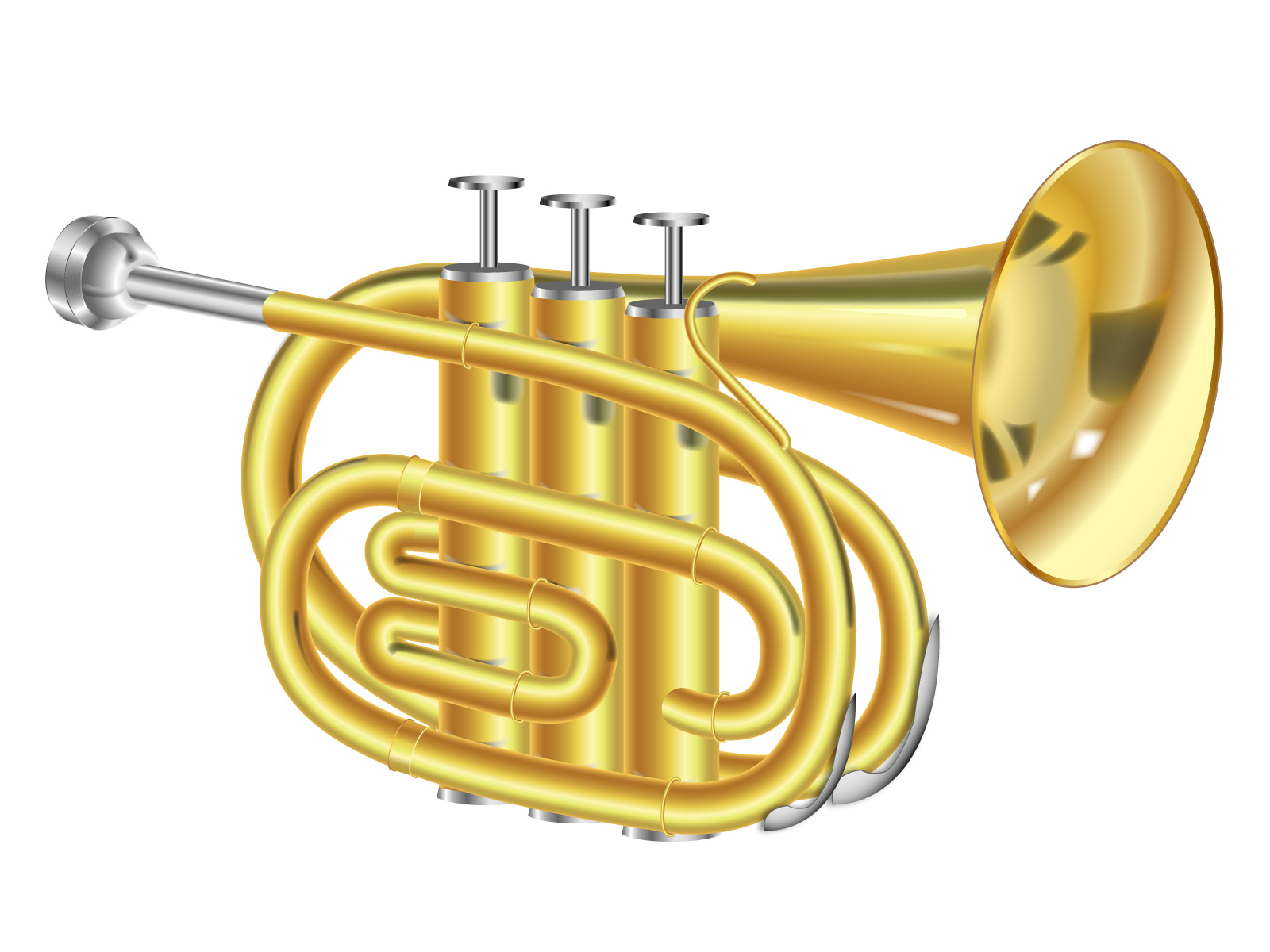
2025/5/29 March
Marches are a genre of music characterized by rhythmic, uplifting beats, often performed at military events, parades, and ceremonies. Their powerful rhythms and bold melodies have inspired courage and unity among people for centuries. Here, we introduce some of the most iconic marches loved around the world. John Philip Sousa "The Stars and Stripes Forever" John Philip Sousa’s The Stars and Stripes Forever, composed in 1896, is one of the most iconic American marches. Distinguished by its powerful, brilliant melody and rhythmic energy, it is frequently performed at national celebrations and parades. This masterpiece helped earn Sousa the title “The ...
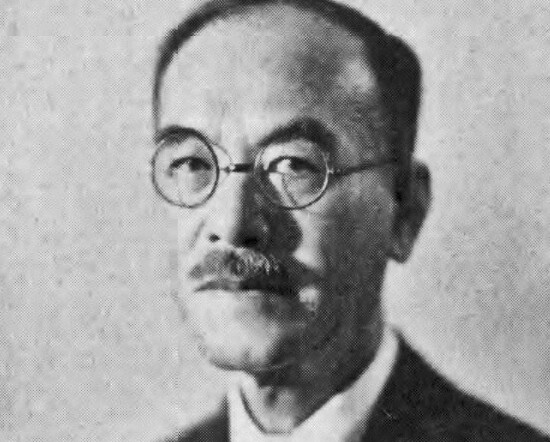
2025/5/27 March, Tōkichi Setoguchi
Tōkichi Setoguchi – Battōtai March — A Cornerstone of Early Modern Japanese Military Music The Battōtai March ("Battōtai no Uta") is one of the earliest and most iconic military marches in Japanese music history.With lyrics by Kanagaki Robun and music composed by Tōkichi Setoguchi—also known for the famous Gunkan March—this piece played a foundational role in shaping the genre of Japanese military and patriotic music during the Meiji period. Historical Background The term Battōtai refers to a unit of the Imperial Japanese Army that fought in close combat with swords during the Satsuma Rebellion in 1877.Known for their fearless charges ...
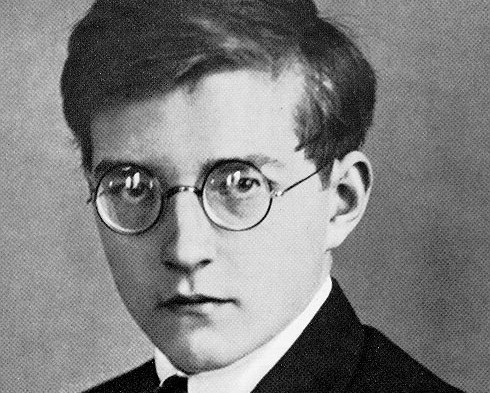
2025/5/26 March, Shostakovich
Dmitri Shostakovich – 'March' from the Suite for Variety Orchestra — Satire and Swagger in a Semi-Official National Anthem Dmitri Shostakovich’s “March” from the Suite for Variety Orchestra stands apart from his more serious symphonic works.It’s light, whimsical, and seemingly celebratory—but underneath its bright surface lies a sharp undercurrent of satire, irony, and social commentary that reflects the complexities of life in 20th-century Soviet Russia. Background The Suite for Variety Orchestra is an unusual entry in Shostakovich’s catalogue.The exact date of its composition remains unclear, and it was never published or performed under that title during the composer’s lifetime.In fact, ...

Sergei Prokofiev – March, Op. 99 Sergei Prokofiev’s March, Op. 99 is a short yet impactful work for wind band, composed during the height of World War II in the Soviet Union.The piece blends Prokofiev’s signature energy, irony, and clarity into a compact musical statement that continues to be a favorite among concert bands and military ensembles. Background Composed in 1943, this march was commissioned as a morale-boosting piece for the Red Army’s wind ensemble.Amid the harsh wartime conditions, Prokofiev was asked to write music that was both uplifting and patriotic, yet he still managed to infuse his personality into ...
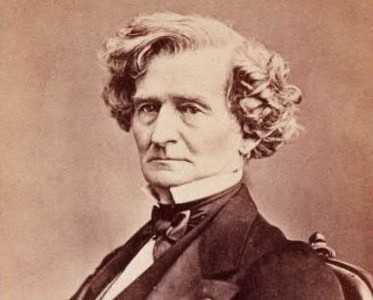
Hector Berlioz – Rákóczi March Hector Berlioz’s Rákóczi March is a powerful orchestral work that combines French Romanticism with Hungarian national pride.Based on a traditional Hungarian patriotic melody, this march became widely known through its dramatic appearance in Berlioz’s dramatic legend The Damnation of Faust.With its bold orchestration and emotional intensity, the piece continues to resonate as a musical symbol of resistance, triumph, and national identity. Historical Background The Rákóczi March traces its origins to a Hungarian folk melody associated with Prince Ferenc Rákóczi II, a national hero who led a war of independence against Habsburg rule in the early ...
Franz von Suppé – March from Light Cavalry Overture The March from Franz von Suppé’s Light Cavalry Overture is one of the most recognizable and beloved melodies in the world of classical music.Even those unfamiliar with classical repertoire have likely encountered this bold and energetic march in cartoons, films, commercials, or sporting events.It stands as a shining example of light classical music that combines dramatic flair with irresistible charm. Background of the Piece The Light Cavalry Overture was composed in 1866 as the introduction to Suppé’s operetta of the same name.While the operetta itself has largely faded from the stage, ...

Giuseppe Verdi – Triumphal March Giuseppe Verdi’s Triumphal March (Marcia trionfale) is one of the most iconic and majestic pieces in operatic music.Featured in Act II of his grand opera Aida, the march is celebrated for its brilliant orchestration, regal atmosphere, and emotional uplift.Its bold fanfares and ceremonial grandeur have made it a favorite not only on the opera stage but also in formal ceremonies, parades, and public events around the world. Background of the Piece Aida was composed in 1871 for the opening of the Khedivial Opera House in Cairo, Egypt.Commissioned by the Egyptian government, the opera was meant ...
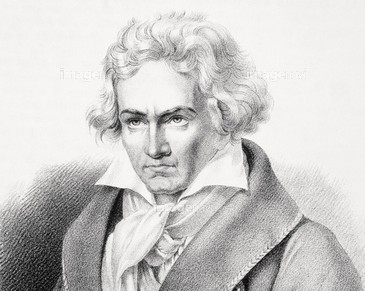
Beethoven – Turkish March While Mozart’s Rondo alla Turca is perhaps the most widely known "Turkish March," Ludwig van Beethoven also composed a lively and distinctive piece by that name.Beethoven’s Turkish March (or Marcia alla turca) appears as part of his incidental music for the play The Ruins of Athens (Die Ruinen von Athen), and it showcases a different, more playful side of the composer—full of rhythmic energy and exotic color. Overview of the Piece Beethoven composed The Ruins of Athens in 1811 for the opening of a new theater in Pest (now part of Budapest, Hungary).The Turkish March is ...
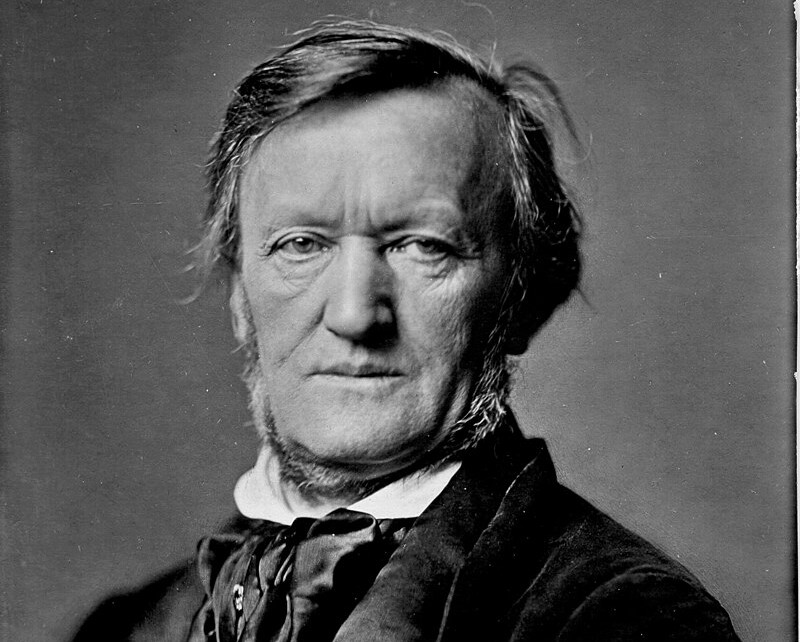
Richard Wagner – Under the Double Eagle Under the Double Eagle (Unter dem Doppeladler) is a famous military march composed by Austrian bandmaster Josef Franz Wagner in 1893.Known for its bold rhythms and majestic melody, it has become a staple in military bands and wind ensembles around the world. Note: The composer Josef Franz Wagner is not to be confused with the German opera composer Richard Wagner. Overview of the Piece The march was inspired by the symbol of the double-headed eagle, which served as the imperial emblem of the Austro-Hungarian Empire.The title reflects themes of imperial grandeur and military ...
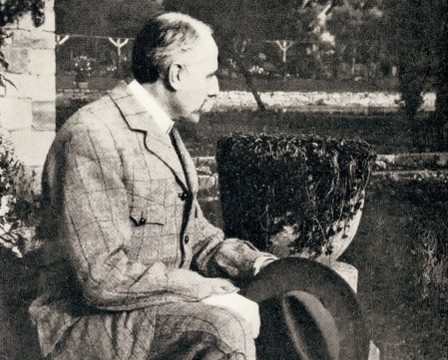
Edward Elgar – Pomp and Circumstance March No. 1 Edward Elgar’s Pomp and Circumstance March No. 1 is one of the most iconic and majestic marches in British classical music.Renowned for its stately melody and uplifting character, the piece is often performed at ceremonies, graduations, and national events, leaving a lasting impression on listeners worldwide. Overview of the Piece Pomp and Circumstance March No. 1 was composed in 1901 as part of Elgar’s Pomp and Circumstance march series, which eventually included five completed works.Among them, the first march is by far the most famous and received high praise—even from King ...

John Philip Sousa – The Stars and Stripes Forever The Stars and Stripes Forever, composed by John Philip Sousa, is one of the most iconic and celebrated marches in American history.Its bold, spirited melody stirs patriotic pride and continues to energize parades, ceremonies, and celebrations across the United States and beyond. Overview of the Piece Sousa composed The Stars and Stripes Forever in 1896 after being inspired during a European trip.In 1987, the United States Congress officially designated it as the National March of the United States, underscoring its cultural and historical significance. Originally written for the Sousa Band, the ...
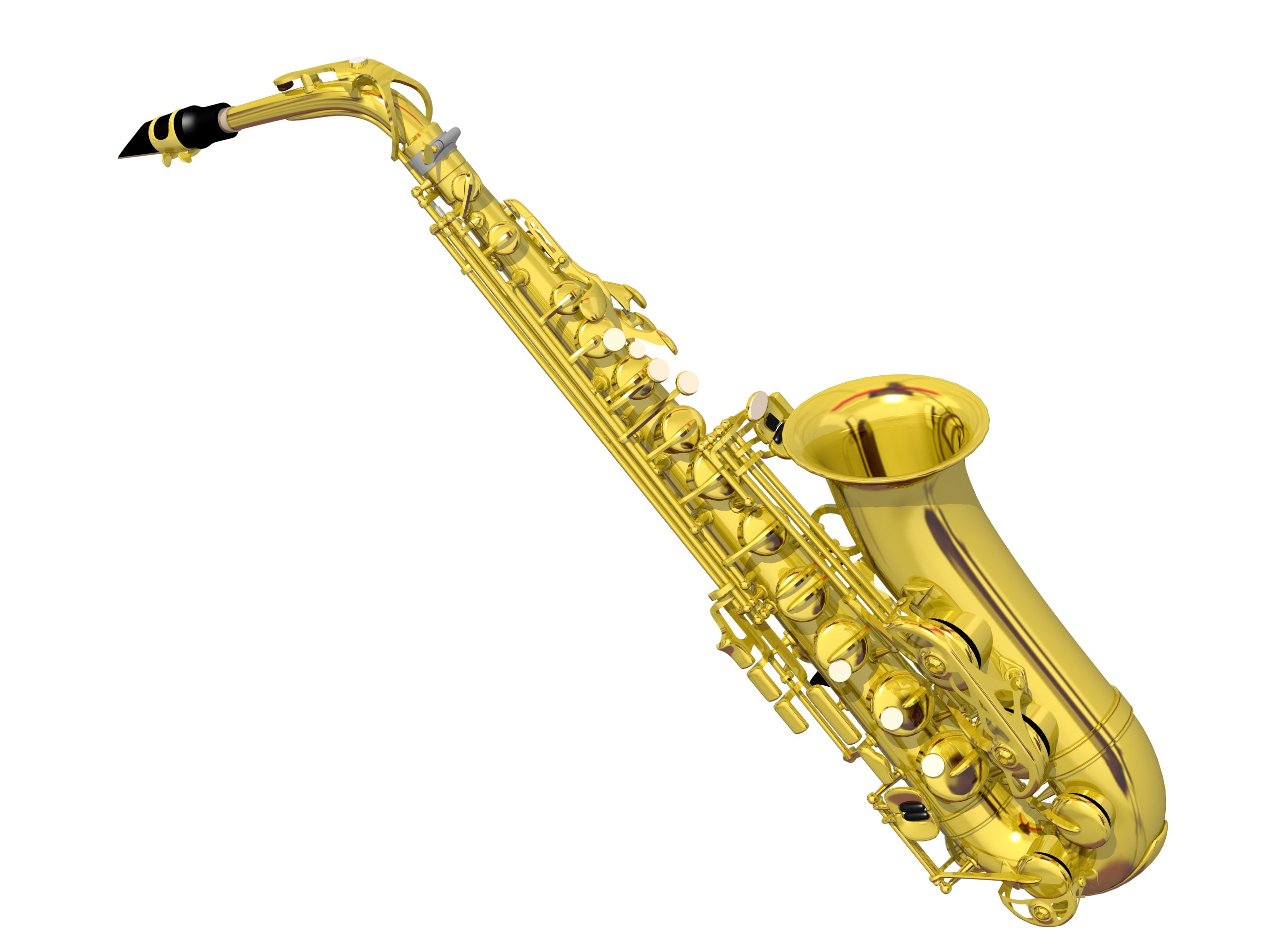
2025/5/18 Jazz
Jazz has a unique power to move the soul, whether vocals are present or not. But in this article, we focus solely on instrumentals—those wordless pieces where the expressive depth of each performer shines all the more. Here’s a curated list of timeless instrumental tracks that showcase jazz at its most compelling. Glenn Miller "In the Mood" Glenn Miller’s “In the Mood,” released in 1939, is one of the most iconic swing jazz pieces of all time. Composed by Joe Garland and brought to fame through the arrangement and performance of the Glenn Miller Orchestra, the song became a massive ...

2025/5/17 Herbie Hancock, Jazz
Herbie Hancock – Chameleon In 1973, Herbie Hancock reached a turning point in his musical career with the release of Head Hunters, an album that would become a cornerstone of jazz-funk and fusion.Leading off the album is the electrifying track “Chameleon,” a piece that boldly merged jazz improvisation with funk grooves and cutting-edge electronic textures.It was a revolutionary sound that foreshadowed the direction of Black music in the 1970s and beyond. Background and Creation “Chameleon” was co-written by Herbie Hancock, bassist Paul Jackson, drummer Harvey Mason, and saxophonist Bennie Maupin.At the time, Hancock had just emerged from his tenure with ...
2025/5/16 Horace Silver, Jazz
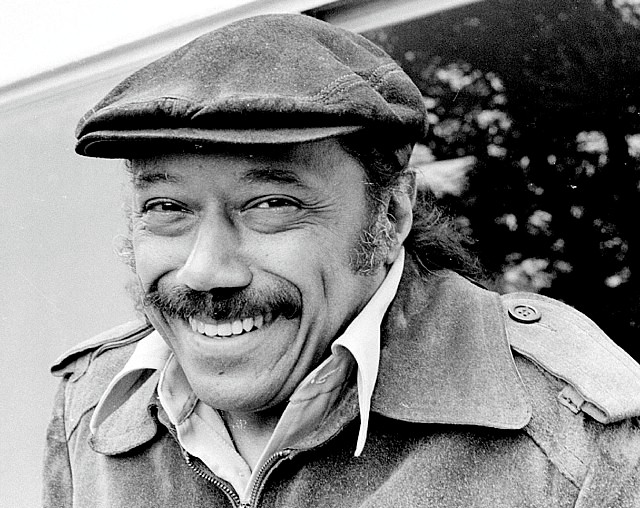
Horace Silver – Song for My Father In the mid-1960s, as jazz continued to evolve beyond hard bop, pianist and composer Horace Silver carved out a space uniquely his own—melodic, soulful, and rhythmically adventurous.Among his many celebrated works, none has resonated more deeply than “Song for My Father.”A personal and heartfelt tribute to his Cape Verdean father, this track combines family roots with rhythmic innovation in a way that has left a lasting mark on jazz history. Background and Origins “Song for My Father” was recorded in 1964 and released in 1965 as the title track of Silver’s iconic Blue ...

2025/5/15 Jazz, Thelonious Monk
Thelonious Monk – 'Round Midnight There are certain jazz tunes that seem to come alive in the stillness of night.At the top of that list is Thelonious Monk’s haunting ballad, “Round Midnight.”With its melancholic melody, ambiguous harmonies, and emotional depth, this piece is more than a jazz standard—it is the very sound of midnight, shaped into music by one of the most singular voices in jazz history. Background and Origins “Round Midnight” was composed by Thelonious Monk in 1944.Originally written as an instrumental, it later gained lyrics by Bernie Hanighen and became widely performed in vocal versions as well. The ...

2025/5/14 Jazz, Miles Davis
Miles Davis – In a Silent Way In 1969, Miles Davis opened a new frontier in jazz with the album In a Silent Way.The title track, “In a Silent Way,” stood in stark contrast to the high-speed, solo-driven jazz of the time.Built on silence, space, and subtle mood shifts, it marked a turning point — not just for Davis, but for jazz itself.This was the beginning of what would come to be known as electric Miles, and a defining moment in the birth of fusion, ambient jazz, and even minimalist experimentation. Background and Concept Originally composed by keyboardist Joe Zawinul, ...

2025/5/13 Art Blakey, Jazz
Art Blakey & the Jazz Messengers – Moanin’ In 1958, Art Blakey & the Jazz Messengers delivered a striking blow to the jazz world with “Moanin’,” a track that would become a milestone in jazz history.Soulful and accessible, yet grounded in serious musicianship, it stands as a lasting symbol of what came to be known as hard bop. Background and Composition “Moanin’” was composed by the group’s pianist at the time, Bobby Timmons.Blakey, the drummer and bandleader, recognized its strength and decided to name the entire album after the tune. The Moanin’ album was released in 1959, with the recording ...
2025/5/12 Herbie Hancock, Jazz
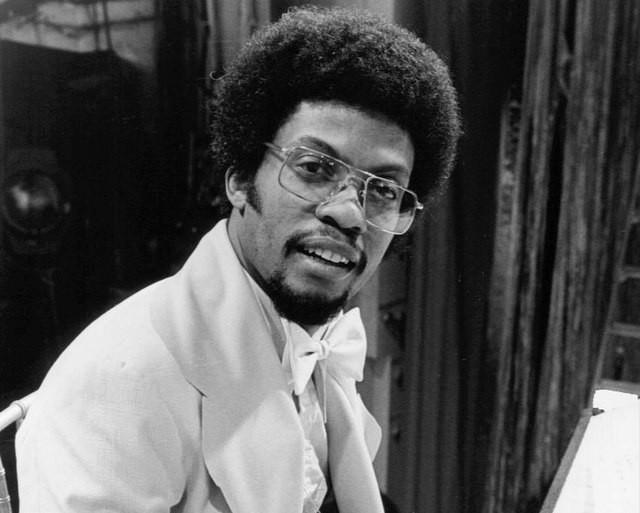
Herbie Hancock – Cantaloupe Island In 1964, a young Herbie Hancock released a track on his Blue Note album Empyrean Isles that seemed to anticipate the future of jazz.That track was “Cantaloupe Island” — a piece that transcended jazz boundaries and laid the foundation for jazz-funk, hip-hop sampling, and even modern club culture.It remains one of the earliest and most influential examples of crossover jazz. Background and Concept “Cantaloupe Island” was composed and recorded when Hancock was just 23 years old.At the time, he was already a member of the Miles Davis Quintet and deeply engaged with modal jazz and ...

2025/5/11 Bill Evans, Jazz
Bill Evans – Blue in Green Released in 1959 as part of the legendary album Kind of Blue, “Blue in Green” stands out as one of the most introspective and emotionally resonant tracks in all of jazz.Delicate, atmospheric, and hauntingly beautiful, it drifts like a dream. While officially credited to Miles Davis, it is widely believed that the piece was primarily composed by pianist Bill Evans. Background and Authorship “Blue in Green” appears as the first track on side B of Kind of Blue. Though the album credits Miles Davis as the composer, Bill Evans later stated in interviews that ...

2025/5/10 Jazz, Miles Davis
Miles Davis – So What In 1959, the world of jazz underwent a dramatic transformation.That year saw the release of Kind of Blue, a landmark album that not only marked a turning point in Miles Davis’s career, but also changed the very direction of jazz.Opening the album is “So What,” a track that became the definitive symbol of modal jazz and a quiet revolution in the genre’s evolution. Background and Context “So What” was recorded on March 2, 1959, at Columbia’s 30th Street Studio in New York.It was composed by Miles Davis himself and chosen as the opening track of ...

2025/5/9 Dave Brubeck Quartet, Jazz
Dave Brubeck Quartet "Take Five" In 1959, a fresh breeze swept through the American jazz scene, and at the center of it stood the Dave Brubeck Quartet with their groundbreaking masterpiece, “Take Five.”This iconic piece challenged the conventions of jazz with its unusual time signature, leaving a lasting mark not only on jazz history but on the entire landscape of popular music. Overview Composed by the group’s alto saxophonist Paul Desmond and featured on their landmark album Time Out, “Take Five” is best known for its 5/4 time signature—a rarity in jazz at the time. The title itself is a ...

2025/5/8 Duke Ellington, Jazz
Duke Ellington – Take the 'A' Train “Take the ‘A’ Train” is one of the most iconic pieces of the swing era—a vibrant jazz standard that came to define the sound and style of the Duke Ellington Orchestra. Composed by Billy Strayhorn and introduced in 1941, the song captures the spirit of New York City’s energy, especially the journey uptown on the A subway line to Harlem. Overview and Background As Duke Ellington’s orchestra was expanding its reach in the early 1940s, a fresh theme song was needed. Enter Billy Strayhorn, Ellington’s trusted composer and arranger. Inspired by directions Ellington ...
2025/5/7 Classical Music
Classical music is filled with masterpieces that have been loved across generations. These works, created by the passion and genius of composers, continue to resonate with audiences around the world. Here, we introduce some of the most iconic pieces that both beginners and seasoned listeners can enjoy. Beethoven "Symphony No. 5" Beethoven’s Symphony No. 5 in C minor, Op. 67, premiered in 1808 and is a four-movement work famous for its iconic opening motif, “da-da-da-daa.” Filled with power and tension that reflect the triumph over adversity, it follows a structure that moves from darkness to light. As one of the ...

2025/5/7 Brahms, Classical Music
Brahms – Hungarian Dance No. 5 Johannes Brahms' Hungarian Dance No. 5 (Ungarische Tänze Nr.5) is one of the most iconic and beloved works in classical music.Its passionate rhythms and melancholic yet lively melody vividly evoke the spirit of Eastern Europe, captivating listeners around the world. Overview of the Piece Hungarian Dance No. 5 is part of Brahms' Hungarian Dances, a collection of 21 pieces published in 1869.Inspired by Hungarian folk melodies and the style of gypsy music, Brahms arranged and composed these dances, originally writing many for piano four hands. Among them, No. 5 stands out as the most ...